The Myths And Facts Behind German Exam
Understanding the German Exam: A Comprehensive Guide The German language, understood for its intricacy yet structural beauty, has actually become a focal point in worldwide education. With the increasing number of individuals looking for to master German— whether for travel, work, or cultural gratitude— understanding the numerous German language examinations is important. This article dives into the types of German exams available, their structures, preparation tips, and some regularly asked questions. Types of German Exams There are several recognized German language efficiency examinations that accommodate various needs and proficiency levels. The most prominent ones are: Goethe-Institut Exams: Offered by the Goethe-Institut, these exams are commonly acknowledged and come in six levels representing the Common European Framework of Reference for Languages (CEFR):. A1: Start Deutsch 1. A2: Start Deutsch 2. B1: Zertifikat Deutsch. B2: Goethe-Zertifikat B2. C1: Goethe-Zertifikat C1. C2: Goethe-Zertifikat C2. TestDaF (Test Deutsch als Fremdsprache): This exam is specifically designed for non-native speakers who wish to study in Germany. It assesses efficiency at the B2 to C1 levels. DSH (Deutsche Sprachprüfung für den Hochschulzugang): This exam is also intended at prospective college student, testing their capability to comprehend and utilize the German language at a level adequate for academic functions. TELC (The European Language Certificates): TELC exams cover different levels from A1 to C2 and are acknowledged in both academic and professional settings. ÖSD (Österreichisches Sprachdiplom Deutsch): These tests evaluate efficiency in the German language with a focus on the Austrian dialect and cultural aspects. 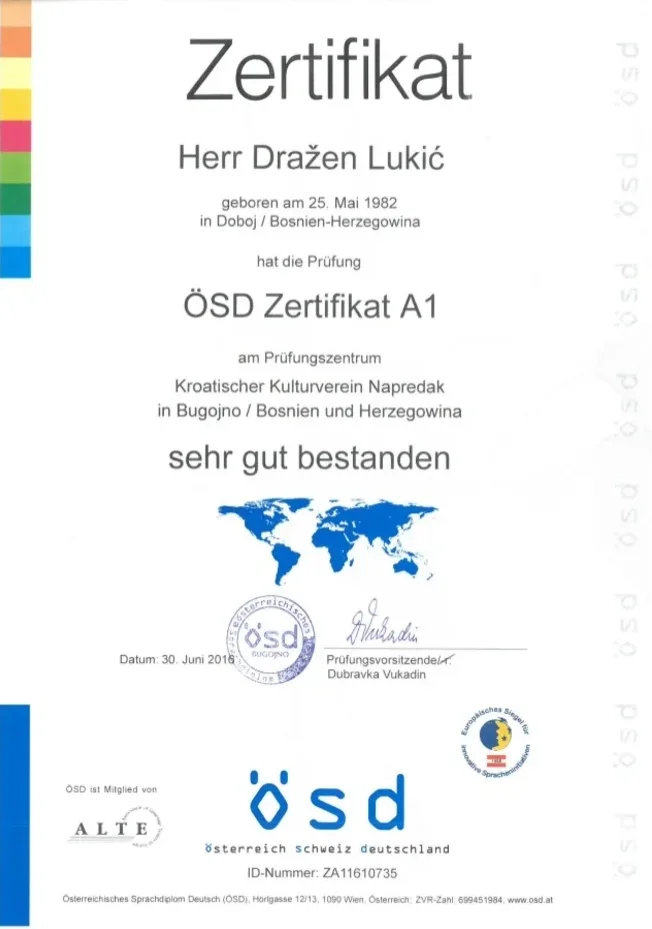 Selecting the Right Exam. Choosing the appropriate German exam depends on private goals, such as:. Studying in Germany or an Austrian university (TestDaF or DSH). Showing language proficiency for work (Goethe-Zertifikat or TELC). General individual interest (any level with Goethe-Institut or TELC). Now, let's explore the format of these exams to comprehend what to anticipate. Exam Structure. Each exam has an unique structure that examines listening, reading, writing, and speaking abilities. Here is ösd a2 :. Goethe-Institut Exams:. Listening: Understanding conversations and presentations. Reading: Comprehending various texts, including advertisements and posts. Writing: Crafting official letters or essays based on prompts. Speaking: Engaging in conversations, presenting subjects, or role-playing scenarios. TestDaF and DSH:. Listening: Listening to scholastic lectures and discussions. Reading: Analyzing clinical texts. Composing: Writing essays that express opinions on existing subjects. Speaking: Discussing and establishing ideas on academic-related subjects. Getting ready for the German Exam. Preparation for a German exam is critical in achieving the wanted efficiency level. Here are some reliable strategies:. 1. Comprehend the Exam Format. Familiarize yourself with the exam structure and types of questions. 2. Use Study Materials. Usage textbooks specifically designed for the exam you are taking. Experiment previous exam documents to assess your preparedness. 3. Join Language Courses. Enroll in courses provided by language schools or online platforms for structured learning. 4. Engage in Practice Speaking. Practice speaking with native speakers through language exchange meetups or online platforms. 5. Immerse Yourself in the Language. Listen to German music, enjoy German movies, and check out German literature to boost understanding and retention. 6. Deal with Vocabulary. Expand your vocabulary by utilizing flashcards, mobile apps, or word lists associated with the exam subjects. Typical Challenges and How to Overcome Them. 1. Anxiety and Nervousness. Many prospects feel nervous about speaking or performing in front of others. To combat this, practice relaxation strategies, and replicate exam conditions. 2. Vocabulary Limitations. If vocabulary is a weakness, concentrate on thematic vocabulary associated to the exam. Develop use scenarios and remember expressions frequently used in tests. 3. Time Management During the Exam. Throughout practice exams, track the length of time you take per area. Develop methods for pacing yourself to ensure you can finish each part. Regularly Asked Questions (FAQs). What is the passing score for German tests? The passing score differs by exam type. Usually, a rating of 60-70% is considered passing, but it's vital to inspect the specific requirements of each exam. For how long are German exam results valid? German language proficiency certificates are typically valid indefinitely, but some institutions or employers might require recency in credentials, so validate with your target organization. Can I retake a German exam? Yes, prospects can retake German examinations; however, the waiting duration and policies vary amongst screening institutions. It's a good idea to inspect the particular standards. Exist online alternatives for taking German tests? Numerous screening organizations now use online assessments, especially in light of current international situations. Candidates ought to inquire with their appropriate exam bodies to confirm availability. How can I find a testing center? Checking centers can be found on the sites of language institutions such as the Goethe-Institut, TestDaF, or TELC. They provide an extensive directory site of areas and test dates. Conclusion. The journey to mastering the German language is both gratifying and tough. With an array of exams customized to different needs, students can select the course that lines up best with their objectives. By preparing adequately and employing effective study strategies, candidates can enhance their opportunities of success. Welcoming the language through immersion and practice can even more democratize the learning procedure, making it not only instructional but pleasurable. For anyone thinking about a German exam, knowledge of the offered choices and preparation methods sets the stage for a satisfying language-learning experience.